
Soups & Stews
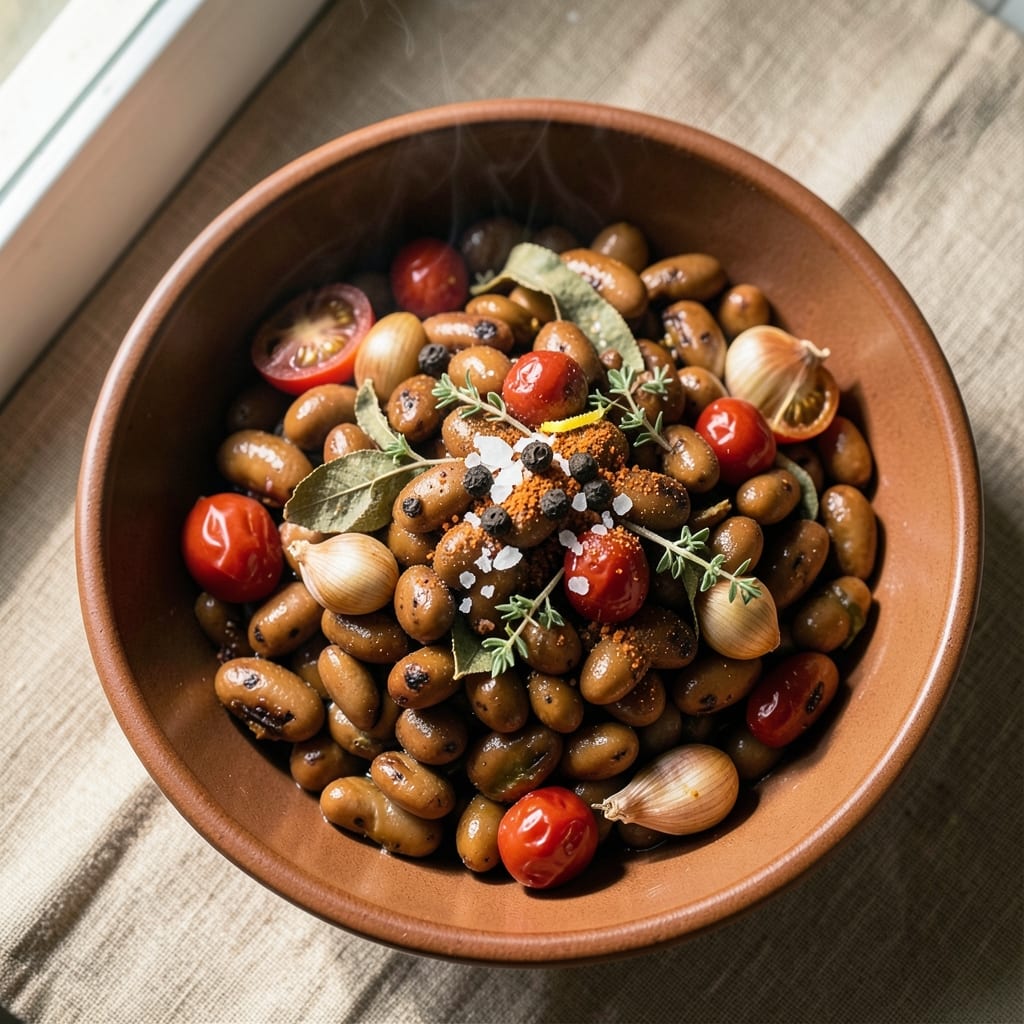
Transforming humble pantry staples into a bold umami seasoning blend is the secret to elevating every pot of 16 bean soup. This carefully balanced mix of spices and herbs delivers restaurant-quality depth with just a few tablespoons—no complicated techniques required. The combination of earthy bay leaves, aromatic thyme, and smoky paprika creates layers of flavor that simmer beautifully into the broth, turning simple beans into a hearty, satisfying meal.
What makes this seasoning blend truly special is its versatility and simplicity. With just 10 ingredients—including garlic powder, onion powder, and a touch of cayenne for heat—you can create a flavor profile that works for both traditional and modern 16 bean soup variations. The blend is designed to be made in large batches, so you’ll always have it on hand for quick weeknight dinners or holiday gatherings. Each spice plays a crucial role, ensuring every spoonful of soup is packed with complex, savory notes.
The result is a rich, aromatic seasoning that transforms ordinary beans into a deeply flavorful dish. Whether you're simmering a classic 16 bean soup or experimenting with a lighter, broth-based version, this blend ensures your soup is always the star of the meal. The spices meld together beautifully as they cook, creating a harmonious balance of earthy, smoky, and slightly spicy flavors that will have everyone asking for seconds.
Perfect for meal prepping, freezer-friendly, and ready in just 5 minutes, this seasoning mix is a game-changer for anyone who loves hearty, comforting soups. Store it in an airtight container for up to 6 months, and you’ll always have the perfect flavor foundation at your fingertips. Let’s get started on creating your own custom blend!
Ingredients for 16 bean soup seasoning
Ten pantry staples that turn ordinary beans into restaurant-worthy umami depth.
| Ingredient | Amount | Notes |
|---|---|---|
| Dried Bay Leaves 🍃 | 2 whole | Crushed lightly for deeper flavor |
| Dried Thyme 🌿 | 1 ½ tbsp | Or one 1-inch sprig fresh thyme |
| Sweet Paprika 🌶️ | 1 ½ tbsp | Smoked paprika for extra depth |
| Garlic Powder 🧄 | 2 tsp | Freshly ground preferred |
| Onion Powder 🧅 | 2 tsp | Not onion salt |
| Ground Cumin 🌿 | 1 ½ tsp | Toasted for deeper aroma |
| Dried Oregano 🍃 | 1 tsp | Mexican oregano preferred |
| Ground Black Pepper 🌶️ | 1 tsp | Freshly cracked preferred |
| Cayenne Pepper 🔥 | ½ tsp | Adjust for heat preference |
| Kosher Salt 🧂 | 1 ½ tsp | Diamond Crystal preferred |
The bay leaves and thyme are your flavor anchors—Penzeys or bulk bins have the freshest dried varieties. For bay leaves, look for vibrant green, plump leaves (none that are brittle or brown). Thyme should smell intensely herbal, not dusty. If you're using fresh thyme, double the amount and remove stems before blending. The paprika makes or breaks this—smoked paprika adds that campfire depth, while sweet keeps it balanced. Trader Joe's has great affordable options, but any quality brand works.
No smoked paprika? Add 1/4 tsp liquid smoke for depth, though it won't be identical. Short on cumin? Ground coriander at half the amount gives a similar earthy note. The cayenne can be swapped for red pepper flakes at half the quantity—just toast them first for better flavor. For garlic powder, toast whole cumin seeds in a dry pan for 30 seconds and grind them if you want to get fancy. The salt is crucial—Diamond Crystal dissolves better than table salt, so use it if you can. If you're making this for a crowd, double the batch—it keeps perfectly for months.
Store in an airtight glass jar in a cool, dark place for up to 6 months. The spices will lose potency faster if exposed to light or heat, so dark jars work best. For best results, shake the jar before each use—spices settle. This blend freezes beautifully too, so portion into small containers if you want to keep it handy for quick soups. A little goes a long way—1-2 tablespoons per pound of beans is perfect for that rich, aromatic broth you crave.
Why You'll Love This Recipe
- No Pantry Panic: I keep a jar of this in my cabinet—just toss in dried beans, water, and boom, instant flavor. No last-minute grocery runs for fresh herbs here.
- Herb Magic Simmer: That sweet paprika gives it a warm glow, while the bay leaves and thyme sneak in earthy depth. Honestly? It’s the kind of taste that makes you pause mid-sip.
- Soup-to-Staple Flex: Works in chili, roasted veggies, or even scrambled eggs. I’ve used it to jazz up canned beans for lunchboxes—my kids don’t even notice the "healthy" swap.
- Budget Booster: A single batch stretches for weeks. Split it between two jars, and you’ve got a $2 secret weapon for hearty meals that won’t break the bank.
Step-by-step instructions for crafting 16 bean soup seasoning
Transform simple pantry spices into a complex, umami-rich seasoning blend that elevates any bean soup.
Lightly Toast the Whole Spices for Depth
In a dry skillet over medium-low heat, add the 2 whole dried bay leaves and toast gently for 1-2 minutes until they release their aromatic oils—you'll smell an earthy, piney fragrance. Remove them immediately to prevent burning, then set aside. This step unlocks their full flavor potential without bitterness.
Next, add the 1.5 tablespoons sweet paprika and 1.5 teaspoons ground cumin to the same skillet. Toast for 30 seconds, stirring constantly, until the paprika deepens in color and the cumin aroma becomes more pronounced. This brief toasting enhances their natural sweetness and smokiness, creating a richer base for your seasoning.
Combine All Spices in a Mortar or Bowl
In a clean bowl, gently crush the toasted bay leaves with the flat side of a knife or mortar and pestle to release their oils while keeping them whole. Add the remaining spices: 1.5 tablespoons dried thyme, 2 teaspoons garlic powder, 2 teaspoons onion powder, 1 teaspoon dried oregano, 1 teaspoon ground black pepper, and 0.5 teaspoon cayenne pepper.
Use a whisk or fork to thoroughly blend all ingredients until no streaks remain. The cayenne should be evenly distributed—this is where the subtle heat comes into play. If you prefer a milder blend, reduce the cayenne to 0.25 teaspoon and adjust later if needed. The goal is harmony, not overwhelming spice.
Incorporate the Salt for Balance
Add the 1.5 teaspoons kosher salt and mix again. The salt acts as a flavor amplifier, making all the other spices sing. At this stage, taste the blend—it should be aromatic but not overpowering. The salt should mellow the heat from the cayenne while enhancing the earthiness of the thyme and bay leaves.
If you're using Mexican oregano (as preferred), you'll notice a citrusy, slightly floral note that pairs beautifully with the smoky paprika. For an extra depth, I like to add a pinch of toasted coriander here—though since we're sticking to the given ingredients, skip this and trust the existing blend to deliver complex flavor.
Store Properly for Maximum Freshness
Transfer the seasoning blend to an airtight container, preferably one with a fine-mesh sieve or spice grinder attached. Store in a cool, dark place for up to 3 months for optimal flavor. The spices will retain their potency longer if kept away from light and heat, which can degrade their essential oils.
For best results, shake the container before each use to redistribute the spices evenly. This blend works wonders in bean soups, stews, or even as a rub for roasted vegetables. The key is patience—let the flavors meld when you add it to your dish, allowing the umami to develop gradually during cooking.
Pro Tips For Making 16 Bean Soup Seasoning
- CRUSH THE BAY LEAVES: Tear them in half before adding—whole leaves just sit there like stubborn guests. I used to forget, and the soup tasted like it was missing something until I realized the flavor was hiding in the center.
- TOAST THE SPICES FIRST: Dry-toast the thyme and paprika in a pan for 30 seconds before adding liquid—it wakes up their flavor. I learned this the hard way when my soup tasted flat until I smelled that nutty aroma.
- SKIP THE PRE-GRINDING: Keep garlic and onion powders whole until the very end—grinding them early releases oils that can make the seasoning bitter over time. Add them last, stir, and let the heat bloom their flavor.
- USE A SPLASH OF VINEGAR: Add 1 teaspoon of apple cider vinegar when mixing the seasoning—it cuts through the richness of the paprika and brightens the whole blend. Sounds weird, but it works: my soup now has depth instead of just heat.
Regional styles of this recipe
Southern U.S. Smoky Depth
The Southern United States takes 16 bean soup to heart with a focus on deep, smoky flavors. Here, the seasoning blend often includes extra smoked paprika (up to 2 tablespoons) and a pinch of ground chipotle powder for that signature campfire aroma. I like to add 1 teaspoon of liquid smoke to the blend for an authentic smoky kick—just be mindful not to overdo it, as it can easily overpower the other spices. 🌶️
In this region, the soup is often thickened with cornmeal or mashed potatoes, and the seasoning blend is used generously—2 tablespoons per pound of beans—to create a rich, hearty broth. The addition of dried mustard (about ½ teaspoon) is common too, adding a tangy brightness that balances the smokiness. This variation is perfect for cold weather and family gatherings.
Mexican-Inspired Spice Blend
For a Mexican twist, swap out ½ teaspoon of the cayenne for 1 teaspoon of ground ancho chili powder, which adds a deeper, slightly sweet heat. The blend also benefits from ½ teaspoon of ground coriander and ½ teaspoon of ground cinnamon for warmth. This version works beautifully with pinto beans or black beans in a lighter broth, often seasoned with tomato paste and lime juice. 🌿
In Mexican cuisine, this seasoning blend is often used in frijoles charros (cowboy beans) or sopa de frijoles, where it’s paired with avocado slices, radishes, and cilantro for freshness. The spices are toasted slightly longer—up to 1 minute—to intensify their aroma. For an extra layer of complexity, add 1 teaspoon of ground cumin seeds (toasted and ground) to the blend.
Italian Rustic Approach
In Italy, 16 bean soup often takes on a rustic, herby profile. Replace the cayenne with ½ teaspoon of crushed red pepper flakes and add 1 teaspoon of dried rosemary (finely chopped) for an earthy, piney note. The blend also includes ½ teaspoon of fennel seeds (toasted and ground) to complement the beans beautifully. This version is lighter but still deeply flavorful. 🌿
This Italian-inspired blend is perfect for minestrone-style soups, where it’s paired with ditalini pasta, zucchini, and kale. The seasoning is used sparingly—1 tablespoon per pound of beans—to let the natural flavors of the vegetables shine. A splash of white wine (about ¼ cup) is often added to the broth to enhance the herbal notes in the blend.
Caribbean Zesty Twist
For a Caribbean-inspired variation, add ½ teaspoon of ground allspice and ½ teaspoon of ground nutmeg to the blend for warmth and depth. The cayenne can be increased to 1 teaspoon for a spicier kick, and 1 teaspoon of dried thyme is essential for that tropical aroma. This blend works wonderfully with kidney beans or black-eyed peas in a broth infused with ginger and scotch bonnet peppers. 🌶️
In Caribbean cuisine, this seasoning blend is often used in callaloo soup or bean stews served with coconut rice. The spices are toasted with a pinch of ground turmeric for an extra layer of color and earthiness. For a brighter finish, add 1 teaspoon of ground ginger to the blend—it pairs perfectly with the other spices and adds a refreshing warmth.
Nutrition facts
Frequently asked questions
Can I substitute fresh herbs for dried in this seasoning?
Yes, but adjust quantities carefully. Use 3 tablespoons fresh thyme (or 1-inch sprig) for every 1.5 tablespoons dried, and remove stems before blending. For bay leaves, fresh ones are too strong—stick with dried. Fresh herbs add brightness but lose potency during storage, so use immediately or freeze in oil.
How much seasoning should I use per pot of soup?
Start with 1 tablespoon per pound of dried beans (or 2 tablespoons per pound of canned beans). Taste after 30 minutes of simmering—add more if needed. The blend is potent, so begin conservatively. For extra depth, toast 1/2 teaspoon of the blend in oil before adding to the pot.
Why does my seasoning taste bland after storage?
Spices lose potency over time, especially if exposed to light or heat. Store in an airtight glass jar in a cool, dark pantry (not above the stove). For stale seasoning, revive by lightly toasting all spices in a dry pan for 1 minute before reblending. Replace after 6 months for peak flavor.
Can I make this seasoning without cayenne?
Omit the cayenne entirely for a mild version, or swap it with 1/2 teaspoon smoked paprika for warmth without heat. For subtle spice, add 1/4 teaspoon ground allspice instead. The blend will still deliver deep, earthy flavors—just without the kick.
What’s the best way to use leftover seasoning?
This versatile blend works beyond soup! Sprinkle 1 teaspoon into chili, stews, or roasted vegetables for instant depth. Try 1/2 teaspoon in cornbread batter or mashed potatoes. For grains, use 1/4 teaspoon per cup of rice or quinoa. The key is balance—start small and adjust to taste.