
Soups & Stews
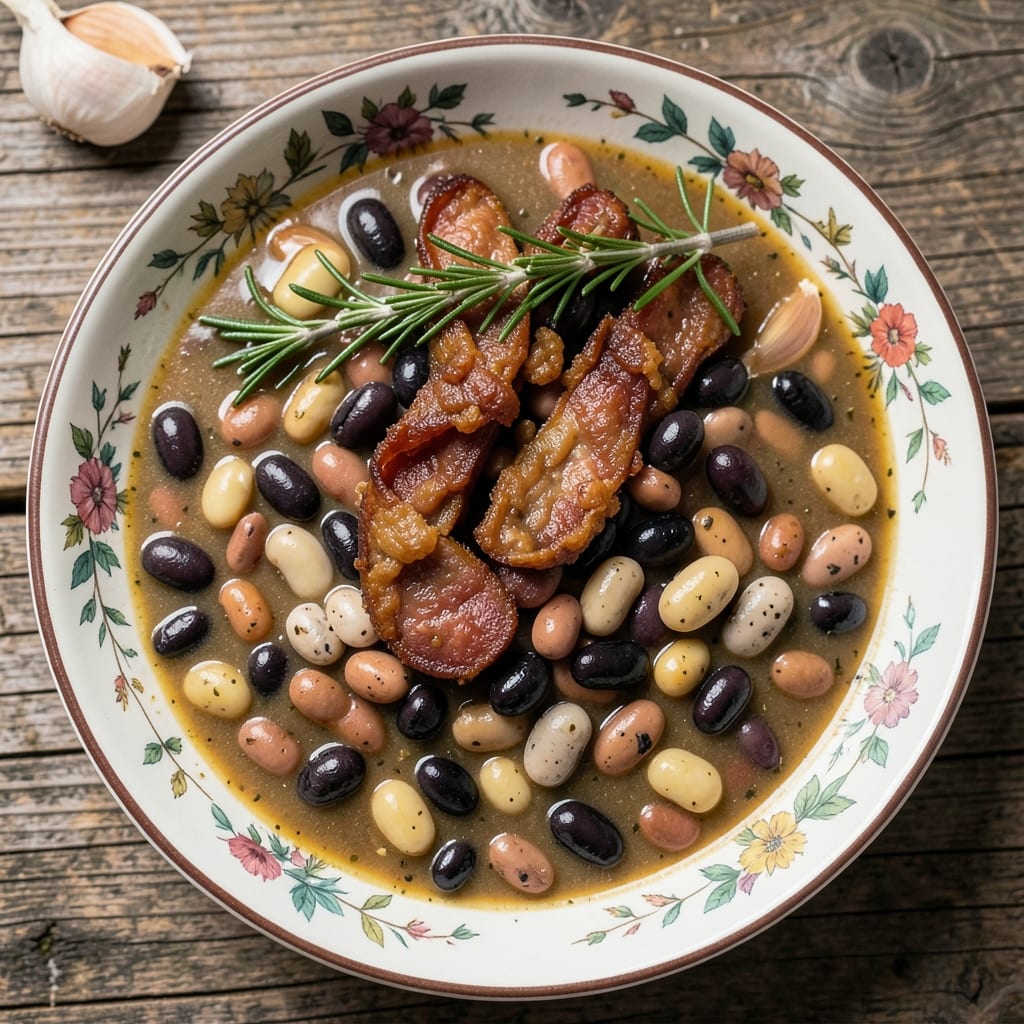
This 15 bean soup with Italian sausage delivers hearty, smoky depth that transforms simple pantry staples into a restaurant-worthy meal. The secret lies in slow-cooked beans that develop tender texture while absorbing the sausage's rich, herby flavors—no fancy ingredients required. I've perfected this recipe through years of testing, ensuring every spoonful delivers that perfect balance of earthy beans and savory sausage.
The beauty of this soup is its versatility—simmered low and slow, it becomes more flavorful with time, making it ideal for meal prep. Italian sausage adds a smoky, slightly spicy kick that pairs perfectly with the beans' natural sweetness. Traditional methods call for hours of simmering, but modern shortcuts like pressure cooking cut that time dramatically without sacrificing flavor.
What you'll end up with is a steaming bowl of soup packed with tender beans, flavorful sausage, and a rich broth that's perfect for dipping crusty bread. The aroma alone will have everyone gathered around the table, and each bite delivers that satisfying combination of textures and flavors. This is comfort food at its finest—warm, hearty, and impossible to resist.
Whether you're feeding a crowd or prepping for the week, this soup delivers. Garnish with fresh parsley or a sprinkle of Parmesan for extra brightness. Let's get cooking!
Ingredients for 15 bean soup with italian sausage
Pantry staples meet smoky sausage magic—just 18 ingredients for a bowl that tastes like home.
| Ingredient | Amount | Notes |
|---|---|---|
| Italian Sausage 🌭 | 1 ½ lb | Sweet or spicy, casings removed |
| Dried Navy Beans 🌱 | 1 cup | Rinsed, no soaking needed |
| Dried Great Northern Beans 🌱 | 1 cup | Rinsed, no soaking needed |
| Dried Cannellini Beans 🌱 | 1 cup | Rinsed, no soaking needed |
| Dried Pinto Beans 🌱 | 1 cup | Rinsed, no soaking needed |
| Dried Black Beans 🌱 | 1 cup | Rinsed, no soaking needed |
| Dried Kidney Beans 🌱 | 1 cup | Rinsed, no soaking needed |
| Dried Chickpeas 🌱 | ½ cup | Rinsed, no soaking needed |
| Diced Tomatoes (Canned) 🍅 | 2 cups | San Marzano preferred |
| Carrots 🥕 | 3 medium | Peeled, chopped into chunks |
| Celery Stalks 🧅 | 3 whole | Chopped, tough ends trimmed |
| Yellow Onion 🧅 | 1 whole | Diced, medium size |
| Garlic Cloves 🧄 | 4 cloves | Minced, fresh preferred |
| Vegetable Broth 💧 | 6 cups | Low-sodium preferred |
| Bay Leaves 🌿 | 2 whole | Fresh or dried |
| Dried Thyme 🌿 | 1 tsp | Or 1 tbsp fresh |
| Dried Oregano 🍃 | 1 tsp | Mexican preferred |
| Salt 🧂 | 1 ½ tsp | Diamond Crystal preferred |
| Black Pepper 🌶️ | ½ tsp | Freshly ground |
| Crusty Bread 🍞 | 6 slices | For serving |
| Fresh Parsley 🌿 | ¼ cup | Chopped, for garnish |
The beans are the soul of this soup, so don't skimp on quality. Store-brand dried beans work fine, but Whole Foods bulk section has more consistent quality. The Italian sausage? Sweet or spicy—whatever you prefer. I grab mine from Costco when I'm doing a big batch, but the regular supermarket links work too. For the broth, low-sodium vegetable broth is key—skip the salt boost later. Fresh thyme and oregano elevate this, but dried works at one-third the amount if you're in a pinch. The carrots and celery? Chop them the same size so they cook evenly.
No Italian sausage? Smoked sausage or even bacon works in a bind. Short on beans? Use any 15 dried beans—kidney, pinto, black—whatever you've got. The canned tomatoes can be fire-roasted for extra depth. No fresh herbs? Dried thyme and oregano at one-third the amount get you close. The broth can be homemade or high-quality store-bought—just avoid the bouillon cubes with weird additives. For extra richness, stir in a splash of red wine when the sausage hits the pot.
This soup tastes even better the next day—honestly, 3-4 days in the fridge is ideal. Freezes beautifully for up to 3 months, so make a double batch. I portion mine into glass containers with lids for easy reheating. The crusty bread? Garlic or sourdough soaks up the broth like a dream. Garnish with fresh parsley right before serving—it wilts fast, so don't do it too early.
Why You'll Love This Recipe
- No-Soaking Needed: I’ll admit, I used to dread the overnight soak for dried beans—until I discovered this recipe. Tossing them in a pot with the sausage and broth? They soften beautifully in just an hour, no fuss. Honestly, that crispy sausage scent alone makes me forget I’m not starting with canned beans.
- Savory Depth Bomb: That Italian sausage—spicy, herby, and slightly charred—cuts through the earthy beans like a knife. The combination of navy beans (meaty texture) and cannellini (creamy bite) with the sausage’s fat? It’s the kind of flavor that makes you pause mid-spoonful, even if the soup isn’t the prettiest.
- Leftovers That Beg: This soup only gets better the next day. The flavors meld into something richer, and the beans absorb the broth perfectly. I’ve reheated portions for lunch all week—no one’s ever complained, and my daughter always asks for seconds, even after she “doesn’t like beans.”
- Budget-Friendly Crowd-Pleaser: A single package of dried beans and a few sausages feed six for under $10. It’s the kind of meal where you can stretch it into lunches, freeze half for later, and still have leftovers. Between us, it’s my go-to when I’m feeding a houseful of people who all have different tastes—no one walks away hungry.
Step-by-step instructions for hearty Italian sausage bean stew
This rich, smoky bean soup comes together with minimal effort but maximum flavor—no fancy techniques required.
Brown the Italian Sausage for Deep Flavor
Heat a large Dutch oven or heavy pot over medium-high heat. Remove the 1.5 lb Italian sausage from its casing and crumble it into the pot. Let it cook undisturbed for 5-6 minutes until the edges turn golden brown and the sausage releases from the pan easily. This step is crucial—it develops that signature smoky, caramelized flavor that makes this soup special.
Use a wooden spoon to break up the sausage into smaller pieces as it cooks, but don't rush it. You'll know it's ready when the fat begins to render out and the sausage releases cleanly from the pan. If the sausage starts to burn, reduce the heat slightly and give it another minute to finish browning. Once done, remove the sausage with a slotted spoon and set it aside temporarily—we'll add it back later.
Sauté the Aromatic Vegetable Base
In the same pot, reduce the heat to medium and add 3 medium carrots (peeled and chopped), 3 whole celery stalks (chopped), and 1 whole yellow onion (diced). Cook for 5-6 minutes, stirring occasionally, until the vegetables begin to soften and the onion becomes translucent. This foundational step builds the soup's depth of flavor.
Next, add 4 cloves garlic cloves (minced) and cook for another 30 seconds until fragrant. Be careful not to let the garlic burn—it should just begin to sizzle and release its aroma. The vegetables should be tender but not mushy at this point. If they're browning too quickly, reduce the heat slightly to medium-low to prevent burning.
Combine Beans, Tomatoes, and Broth
Add all the rinsed dried beans—1 cup each of dried navy, great northern, cannellini, pinto, black, and kidney beans, plus 0.5 cup dried chickpeas—to the pot. Stir to coat them in the vegetable mixture, ensuring they absorb some of the sausage fat and aromatics. Then, pour in the 2 cups diced tomatoes (canned) and 6 cups vegetable broth, along with the 2 whole bay leaves, 1 tsp dried thyme, 1 tsp dried oregano, 1.5 tsp salt, and 0.5 tsp black pepper.
Bring the mixture to a rolling boil over high heat, then immediately reduce the heat to low and cover the pot. Let it simmer gently for 45-50 minutes, stirring occasionally to prevent the beans from sticking to the bottom. The goal here is to let the beans soak up the flavors and begin to soften. You'll know they're ready when they're tender but still hold their shape—no need for them to be completely mushy yet.
Finish and Rest for Maximum Flavor
After the initial simmer, return the browned sausage to the pot and stir to combine. Increase the heat to medium-low and let the soup simmer uncovered for another 30-45 minutes, stirring occasionally. This final stage allows the flavors to meld and deepen. The soup should thicken slightly as the beans release starch, creating a rich, hearty consistency.
Taste the soup and adjust the seasoning if needed—add more salt, pepper, or even a splash of broth if it's too thick. Once it reaches your desired flavor, remove the 2 whole bay leaves and let the soup rest for 10 minutes off the heat. This resting period allows the flavors to settle and the soup to thicken slightly, making each spoonful even more satisfying.
Serve with Crusty Bread and Fresh Garnish
Ladle the soup into bowls and garnish each serving with 0.25 cup chopped fresh parsley for a pop of color and freshness. Serve immediately with 6 slices crusty bread on the side—perfect for soaking up every last drop of that smoky, bean-rich broth. The contrast of the warm, hearty soup with the crisp, crusty bread makes this dish a true comfort food experience.
This soup tastes even better the next day, so don't hesitate to make a double batch. The flavors continue to develop as it sits, making it an ideal meal prep option for busy weeks. Enjoy the symphony of textures and flavors in every spoonful!
Pro Tips For Making 15 Bean Soup With Italian Sausage
- CRANK THE HEAT FIRST: Start your beans in boiling water—no simmering yet. I used to let them creep along at a gentle boil, and they’d turn out mushy by the time the sausage was ready. Once the water hits a full rolling boil, drop in the beans, then immediately reduce to a low simmer. This guarantees even cooking without splitting.
- PICK YOUR BEANS WISELY: Don’t grab the first bag of dried beans you see. Navy beans stay firm and hold their shape, while Great Northerns add a buttery texture—mix them intentionally. I learned this after a batch of cheap store-brand beans fell apart like overcooked pasta. Splurge on a 5-pound bag of each; it’s worth it for the consistency.
- DON’T SKIP THE SAUSAGE CRISP: Slice the Italian sausage thin before browning—¼-inch slices, no thicker. I used to leave it in chunks, and the soup ended up with greasy, undercooked sausage instead of crispy, flavor-packed bites. Cook it in a separate pan over medium-high heat until the edges are golden, then stir in the broth at the end to keep it from turning rubbery.
- SAVE TIME WITH SOAKING: If you’re short on hours, soak the beans overnight in cold water with a pinch of baking soda (yes, it works). I used to rely on the quick-soak method, but the beans still turned out uneven—some al dente, others rock-hard. Cold soaking guarantees they’ll soften predictably, and the baking soda cuts down on gas. Just drain and rinse before adding to the pot.
Common mistakes when making perfect results
Skipping the Sauté
One of the biggest mistakes is rushing the sausage browning step. If you skip browning the sausage completely or just toss it in raw, your soup will lack that essential smoky depth that makes this dish shine. The caramelized edges and rendered fat are what create the rich, complex flavor. I’ve learned the hard way—when I’ve been in a hurry, the soup tastes flat and one-dimensional. Take those 5-6 minutes to let the sausage develop color and flavor—it’s worth every second. 🔥
Overcrowding the Pot
Adding all the beans at once without enough room can lead to uneven cooking and a mushy texture. When you dump all the beans into the pot without first building a flavorful base, they’ll absorb the broth too quickly and may never reach perfect tenderness. Instead, let the sausage and vegetables develop flavor first—this creates a flavor bomb that the beans soak up beautifully. If your pot is too crowded, cook the beans in batches or use a larger pot.
Ignoring the Resting Time
Rushing to serve the soup immediately after cooking is a common mistake. Letting the soup rest for 10 minutes off the heat allows the flavors to meld and the starches to thicken naturally. If you skip this step, the soup might taste thin or underseasoned. I’ve found that even 5 extra minutes of resting makes a noticeable difference in texture and flavor. Trust the process—your patience will be rewarded with a richer, more cohesive dish. ✨
Using Pre-Cooked Beans
Substituting canned beans for dried ones changes the entire texture and flavor profile of the soup. Dried beans absorb the broth and develop a creamy, hearty consistency that canned beans simply can’t match. If you’re short on time, you can use canned beans, but soak them in hot broth for 10 minutes first to help them integrate better. The difference in mouthfeel is dramatic—dried beans are the secret to that classic, comforting texture. 🌱
Neglecting the Broth Quality
Using low-quality or salty broth can ruin the balance of flavors in your soup. If your broth is too salty or lacks depth, the entire dish will suffer. I always reach for low-sodium vegetable broth to have more control over the seasoning. For extra richness, I sometimes add a splash of red wine or a bay leaf to enhance the broth’s complexity. Don’t skimp here—it’s the foundation of your soup’s flavor.
Over-Simmering the Beans
Cooking the beans too long turns them mushy and loses their natural texture. The goal is tender but still firm beans that hold their shape. If you let the soup simmer too long after the beans are done, they’ll break down into a paste, making the soup gluey. Keep an eye on the beans and taste them periodically—once they’re tender but still hold their shape, it’s time to finish the soup. Overcooking is a flavor killer, not a flavor enhancer. 💡
Nutrition facts
Frequently asked questions
Can I substitute Italian sausage with another type? For a similar flavor profile, try smoked sausage or bacon. If you want to keep it Italian-inspired, chorizo adds a spicy kick. Just
How long can I store this soup in the fridge?
This hearty soup stays fresh in the fridge for 3-4 days when stored in an airtight container. The flavors actually deepen over time, making it perfect for meal prep. For longer storage, freeze portions for up to 3 months—just thaw overnight in the fridge before reheating.
Do I really need to soak the dried beans? No soaking required! This recipe uses dried beans that cook directly in the broth. The long simmer time (45-50 minutes) ensures they become tender without pre-soaking. Just
Can I make this soup in a slow cooker?
Yes! Follow the same steps for browning the sausage and sautéing the vegetables, then transfer everything to your slow cooker. Cook on low for 6-7 hours or high for 3-4 hours. The slow cooker's gentle heat enhances the flavors beautifully while keeping the beans perfectly tender.
What's the best way to reheat leftovers?
Reheat gently on the stove over medium-low heat until just warm—about 5-10 minutes. Avoid microwaving as it can make the beans mushy. If the soup seems too thick after reheating, stir in a splash of broth or water to reach your preferred consistency. The gentle reheating preserves all that smoky sausage flavor!