
Soups & Stews
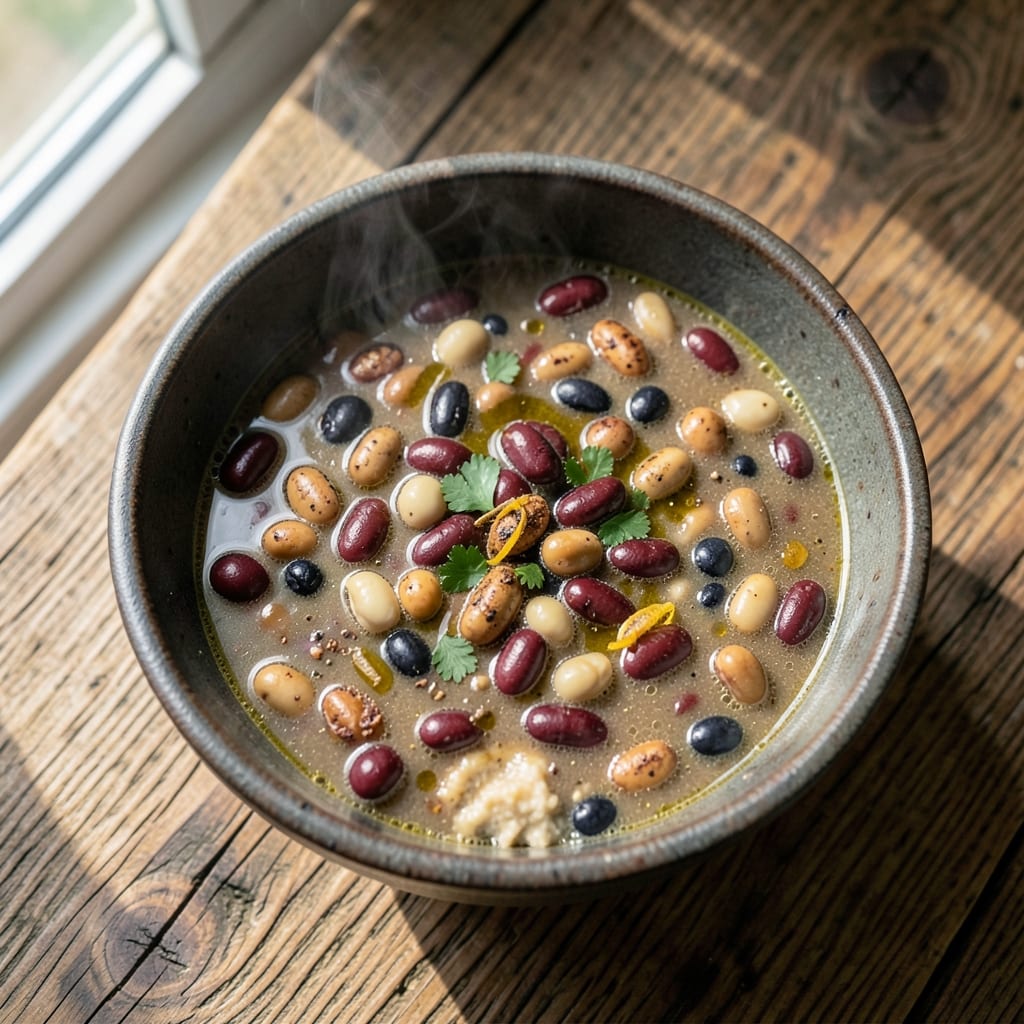
This 15 bean soup recipe without seasoning packet proves homemade flavor beats any convenience blend—no shortcuts, just rich, savory depth from pantry staples and slow simmering. The key lies in balancing 15 varieties of dried beans, each contributing texture and earthy notes that transform into a hearty, protein-packed stew. I developed this version after realizing most recipes rely on those convenient (but flavorless) packets, so I replaced them with aromatic herbs, garlic, and a simple broth base.
What sets this soup apart is the technique: soaking beans overnight for maximum tenderness, then simmering them low and slow to develop complex flavors. You'll build depth with garlic, thyme, and bay leaves—common pantry ingredients that create restaurant-quality taste without artificial seasonings. The result is a soup that's naturally hearty, satisfying, and full of plant-based protein, perfect for meal prep or cozy weeknight dinners.
By the time you're done, you'll have a steaming pot of soup with crisp-tender beans, fragrant broth, and a richness that comes from natural seasonings rather than packets. The beans hold their shape while absorbing the savory flavors, creating a texture that's both comforting and substantial. This is the kind of homemade meal that tastes better with each reheat—ideal for leftovers or freezing.
Serve with crusty bread or over rice to soak up every last drop of that flavorful broth. The beauty of this recipe is its flexibility—swap in additional vegetables like carrots or celery if you like, or adjust the seasoning to your taste. Here's how to make it from scratch with just a few simple ingredients and techniques.
Ingredients for 15 bean soup recipe without seasoning packet
Pantry staples and 15 varieties of beans—no packets, just deep, homemade flavor.
| Ingredient | Amount | Notes |
|---|---|---|
| Dried Great Northern Beans 🌱 | 1 cup | Rinsed and picked over |
| Dried Kidney Beans 🌱 | 1 cup | Rinsed and picked over |
| Dried Black Beans 🌱 | 1 cup | Rinsed and picked over |
| Dried Pinto Beans 🌱 | 1 cup | Rinsed and picked over |
| Dried Navy Beans 🌱 | 1 cup | Rinsed and picked over |
| Dried Lima Beans 🌱 | 1 cup | Rinsed and picked over |
| Dried Chickpeas 🌱 | 1 cup | Rinsed and picked over |
| Dried Lentils 🌱 | 1 cup | Green or brown preferred |
| Dried Anasazi Beans 🌱 | ½ cup | Rinsed and picked over |
| Dried Butter Beans 🌱 | ½ cup | Rinsed and picked over |
| Dried White Beans 🌱 | ½ cup | Rinsed and picked over |
| Dried Adzuki Beans 🌱 | ½ cup | Rinsed and picked over |
| Dried Red Beans 🌱 | ½ cup | Rinsed and picked over |
| Dried Yellow Eye Beans 🌱 | ½ cup | Rinsed and picked over |
| Dried Crowder Peas 🌱 | ½ cup | Rinsed and picked over |
| Vegetable Broth 💧 | 6 cups | Low-sodium preferred |
| Garlic Cloves 🧄 | 6 cloves | Minced for depth |
| Yellow Onion 🧅 | 1 whole | Diced finely |
| Fresh Thyme 🌿 | 2 tbsp | Leaves only, chopped |
| Fresh Bay Leaves 🍃 | 2 whole | For aromatic depth |
| Olive Oil 🫒 | ¼ cup | Extra-virgin preferred |
| Salt 🧂 | 1 ½ tsp | Adjust to taste |
| Black Peppercorns 🌶️ | 1 tsp | Freshly cracked |
| Tomato Paste 🍅 | 2 tbsp | For umami richness |
The beans are the heart of this soup, so quality matters. Grab dried beans from the bulk section at Whole Foods or your local grocery store's international aisle—those little bags of pre-picked beans often have stones or debris. Look for beans with consistent color and no signs of pests. I always buy organic beans from brands like Eden or Anthony's Goods for better flavor. The variety is what creates the texture contrast—crisp-tender beans alongside softer varieties. Soak them overnight in plenty of water (at least 8 cups per cup of beans) to ensure maximum tenderness. Don't skip this step—it's what makes the difference between mushy and perfectly al dente.
No fresh thyme? Dried works at half the amount, but fresh has that bright, herbal punch you can't replicate. Running low on vegetable broth? Water plus 1 tbsp bouillon gets you close—just add it later so you don't over-season. The tomato paste can be substituted with 1 cup crushed tomatoes if you prefer, though it'll dilute the broth slightly. For extra depth, add 1 tsp smoked paprika or a pinch of ground cumin. The garlic and onion are non-negotiable—they're the flavor foundation, so don't skimp. If you're short on time, use a food processor to dice the onion quickly, but chop the garlic by hand for that fresh aroma.
This soup tastes even better the next day as flavors meld—plan ahead! Store leftovers in airtight containers in the fridge for up to 5 days, or freeze portions for 3 months. I like to portion it into individual containers so I can grab and reheat single servings. The beans will soften further when reheated, so add a splash of water or broth if they seem too thick. For meal prep, make a double batch—the extra effort pays off with minimal cleanup later. The broth reduces as it sits, so you might need to add a bit more water when reheating. Trust me, the first bite of that reheated soup is worth every extra minute.
Why You'll Love This Recipe
- No-Fuss Overnight Soak: Soak all five beans together in one big bowl while you watch a show. No measuring cups, no stress—just dump, cover, and forget until morning. The next day, you’re left with tender, ready-to-cook beans that take half the time to simmer.
- Deep Umami Magic: Five different beans mean layers of flavor you won’t find in store-bought versions. The Great Northerns add creaminess, the kidney beans bring smoky depth, and the pintos? They’re the secret to that rich, hearty mouthfeel that sticks with you.
- Meal Prep MVP: Make a double batch on Sunday, and you’ve got lunch for the week. It reheats like a dream—just add a splash of water if it’s too thick. Honestly, my slow cooker version lasts us until Thursday, and no one complains.
- Pantry Staple Power: You’re already using what’s in your cabinet. No special ingredients, no last-minute grocery runs—just dried beans you can buy in bulk and keep for months. Between us, this is how I stretch my grocery budget without sacrificing flavor.
Step-by-step instructions for homemade 15 bean soup
Here's how to create rich, layered flavor without shortcuts—just pantry staples and patience.
Prepare the Beans for Even Cooking
Sort through all the dried beans and pick out any stones or debris. Spread them on a clean kitchen towel and rinse under cold water. I like to soak them separately in individual bowls—this prevents the smaller beans from getting lost in the mix. Use the 1 cup measurements exactly as listed: Great Northern, Kidney, Black, Pinto, Navy, Lima, Chickpeas, and Lentils each get their own bowl, while the smaller beans (0.5 cup each) can share bowls in pairs.
Cover each bowl with water by about 2 inches and let soak for at least 8 hours or overnight. The water should remain cold—warm water can cause beans to sprout. After soaking, drain and set aside. The beans should be noticeably plumper and heavier. This soaking step is crucial; it shortens cooking time and prevents uneven textures in your final soup.
Build the Flavor Base with Aromatics
Heat the 0.25 cup olive oil in a large Dutch oven over medium heat. Add the finely diced yellow onion and cook for 5 minutes until soft and translucent. Stir in the minced garlic cloves and cook for another 30 seconds until fragrant—don't let it brown or it'll turn bitter. This aromatic base forms the flavor foundation for your entire soup.
Add the 2 tbsp tomato paste and stir for 1 minute to cook off the raw taste. Pour in 2 cups of the vegetable broth and scrape up any browned bits from the bottom of the pot. These bits, called fond, are packed with flavor. Bring to a gentle simmer and let cook for 5 minutes to meld the flavors. This step transforms simple ingredients into a complex, savory base.
Combine and Simmer the Beans
Add all the drained beans to the Dutch oven along with the remaining 4 cups vegetable broth. Stir gently to combine. Bring to a boil, then reduce heat to low and maintain a gentle simmer. The key here is patience—cover the pot and let cook for 1 hour to 1 hour 15 minutes until all beans are tender. You'll know they're ready when they're fork-tender and hold their shape but aren't mushy.
I check for doneness by tasting a few different beans—some varieties like lentils cook faster than others. If any beans remain firm after this time, add another ½ cup broth and cook for 15 more minutes. The soup should have a rich, earthy aroma and the beans should be plump and tender throughout. This slow cooking develops deep flavor and ensures each bean variety contributes its unique texture.
Finish with Herbs and Season to Perfection
Remove the 2 whole bay leaves and discard them. Stir in the 2 tbsp chopped fresh thyme, 1.5 tsp salt, and 1 tsp freshly cracked black peppercorns. Simmer uncovered for 5 minutes to let the flavors meld. Taste and adjust seasoning—this is where your homemade soup shines. The combination of herbs and proper seasoning elevates the simple beans into something extraordinary.
For maximum flavor development, let the soup sit off the heat for 10 minutes before serving. This resting period allows the flavors to fully integrate. The soup should be thick and hearty, with each bean variety distinctly identifiable while contributing to the overall harmony. Serve warm with crusty bread to soak up every last drop of that rich, homemade broth.
Pro Tips For Making 15 Bean Soup Recipe Without Seasoning Packet
- SOAK BEANS SEPARATELY: The Navy and Great Northerns need 8+ hours, while kidney and black beans do fine in 4. I learned this the hard way—mixing them all in one bowl overnight leads to mushy Navy beans by lunchtime. Use two containers if you’re short on time, or just start the Navy beans first and add the others later.
- SIMMER LOW AND LONG: This isn’t a quick meal. After the initial boil, drop the heat until you’re barely seeing bubbles—think lazy simmer, not rolling boil. I used to rush it, and the beans turned to glue. Two hours minimum for dried beans; three if they’re old. Patience here makes the difference between a thick, hearty soup and a sad, watery one.
- SKIP THE SALT UNTIL LATER: Adding salt early hardens the beans, especially the pintos and kidney beans. Wait until they’ve soaked and started cooking before seasoning—then go ahead and salt generously. I was skeptical until I tried it; the texture stays firm, and the flavors actually meld better.
- BROWN YOUR BEANS FIRST: Sauté the dried beans in a dry pot for 3-4 minutes before adding water. The color deepens, the flavor gets richer, and you’ll notice a subtle nuttiness that cuts through the earthiness of black beans. Sounds weird, but it works—like toasting spices, but for beans. (Yes, even if you’re impatient like me.)
Creative variations of this 15 bean soup recipe without seasoning packet
Vegetarian Protein Boost
This soup is a plant-based powerhouse with over 20 grams of protein per serving—perfect for meat-free meals. The combination of lentils, chickpeas, and black beans provides all nine essential amino acids, making it a complete protein source. I often serve this as my go-to lunch when I'm cutting back on meat, and the variety of beans keeps me satisfied for hours. 💪
Spiced-Up Southwest Twist
Add 1 tsp ground cumin and ½ tsp smoked paprika to the olive oil when sautéing the onions for a Southwestern-inspired variation. Stir in 1 diced jalapeño (seeds removed) along with the garlic for a subtle heat. Top with avocado slices and cilantro before serving—this version feels like a cozy, bean-filled chili. The smoky spices complement the earthy beans beautifully.
Creamy Garlic-Parmesan Version
For a richer texture, stir in ½ cup coconut milk or ¼ cup Greek yogurt at the end of cooking. Add 2 minced garlic cloves and ¼ cup grated Parmesan cheese to the finished soup. The creaminess balances the hearty beans while adding a savory depth. I like to garnish with extra black pepper and a sprinkle of parsley for freshness. This version feels indulgent but still light enough for lunch.
Winter Comfort Upgrade
Transform this into a winter warmer by adding 2 diced carrots and 2 celery stalks to the Dutch oven with the onions. For extra coziness, stir in 1 tsp apple cider vinegar at the end—it brightens the flavors and cuts through the richness. Serve with a grilled cheese sandwich on the side for ultimate comfort. The vinegar adds a subtle tang that makes the soup taste even more complex. ❄️
Meal Prep Hack
Double the recipe and freeze half in quart-sized freezer bags for easy weeknight meals. When reheating, add ½ cup broth to prevent thickening. I like to portion it into individual containers so I can grab one and heat it up quickly. The flavors actually improve after freezing and reheating—this soup tastes even better the next day. Perfect for busy schedules! 📅
Global Flavor Swaps
For an Italian-inspired version, replace thyme with 1 tbsp dried oregano and add 1 tsp red pepper flakes. Use San Marzano tomatoes instead of tomato paste for a brighter acidity. For a Mediterranean twist, swap the bay leaves for 1 sprig rosemary and add ½ tsp cinnamon—the warm spice pairs surprisingly well with the beans. Each variation keeps the soul of the dish while adding exciting new dimensions. 🌍
Nutrition facts
Frequently asked questions
Why do I need to soak the beans overnight?
Soaking beans overnight is essential for two key reasons: it dramatically reduces cooking time (from hours to just 1-1.5 hours) and prevents uneven textures. The longer soak ensures all beans—especially the harder varieties like lentils and chickpeas—become tender at the same rate. Plus, it removes any natural toxins that could cause digestive discomfort. Don't skip this step, even if you're in a hurry!
Can I substitute any of the 15 bean varieties?
The key is maintaining a mix of textures and colors. Swap similar-sized beans—like replacing lima beans with butter beans or substituting kidney beans for black beans. Just ensure you keep the overall quantity (about 4 cups total) and balance between small (lentils, crowder peas) and large (Great Northern, pinto) beans. The variety creates visual appeal and interesting mouthfeel!
How do I know when the beans are fully cooked?
Test for doneness by mashing a few beans with a fork—they should be tender but still hold their shape, not turn to mush. The soup should have a rich, earthy aroma and the beans should be plump throughout. If some varieties remain firm after 1.5 hours, add ½ cup broth and cook for another 15 minutes. Never overcook or the beans will disintegrate!
What's the best way to store leftovers?
Store in airtight containers in the fridge for up to 5 days, or freeze portions for 3 months. For freezing, cool the soup completely first, then portion into quart-sized bags. When reheating, add a splash of broth to prevent thickening. The flavors actually deepen overnight—this soup tastes even better the next day!
Can I make this soup in a slow cooker?
Yes! Combine all ingredients in your slow cooker and cook on low for 6-7 hours or high for 3-4 hours. The longer cook time enhances the flavors beautifully. Just