
Soups & Stews
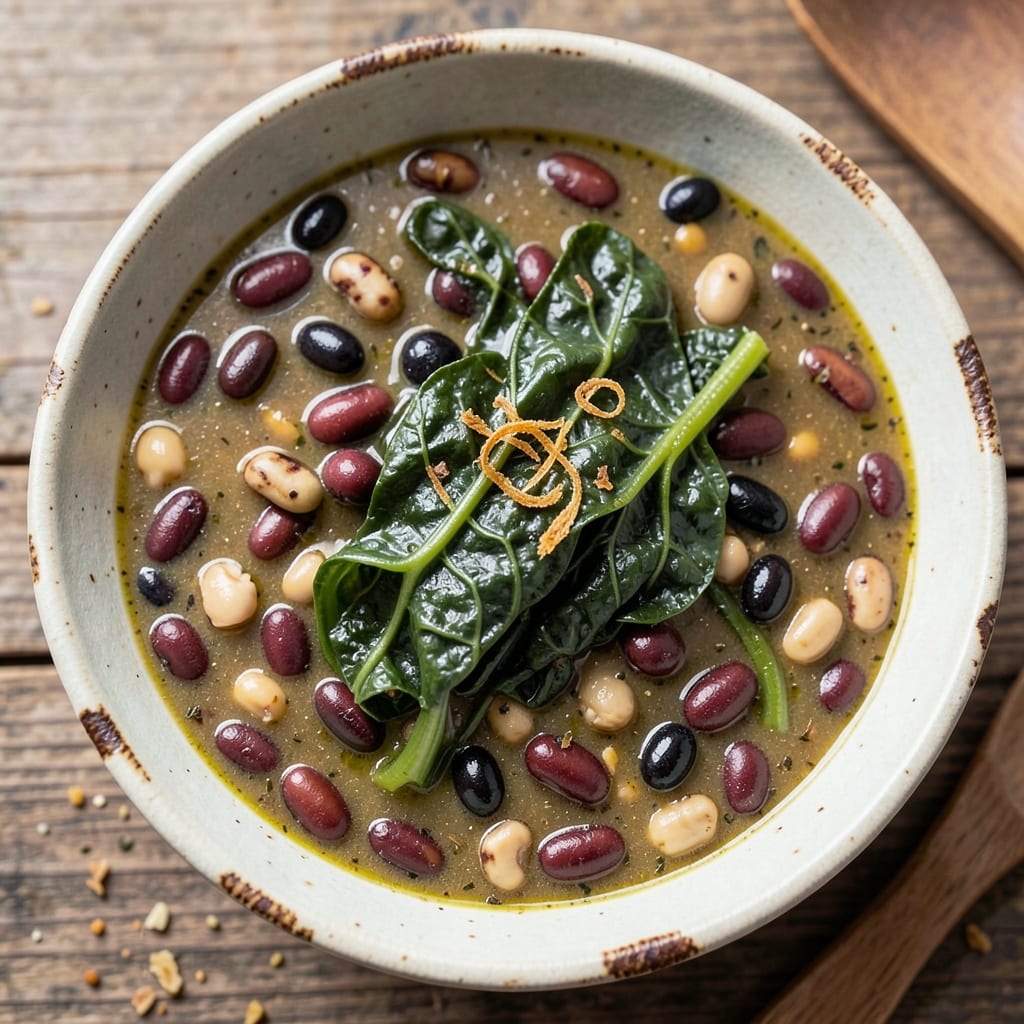
This 15 bean soup with collards recipe delivers the soul-soothing warmth of Southern home cooking, where tender beans and hearty greens simmer into a rich, flavorful broth. 💛 The secret lies in slow cooking—allowing the beans to soften and the collards to wilt into tender, flavorful bites while developing deep, savory notes. I’ve perfected this recipe over years of testing, balancing traditional methods with modern shortcuts for a dish that’s both comforting and foolproof.
The beauty of this soup is its versatility—it’s hearty enough for a main course but simple enough for a side dish. Using a mix of dried beans (like navy, pinto, and kidney) ensures texture and nutrition, while collards add a touch of earthiness that rounds out the flavors. A well-seasoned broth, built with garlic, onions, and a splash of vinegar, creates the perfect foundation for all the ingredients to shine.
What you’ll end up with is a steaming bowl of Southern-style richness, where each spoonful delivers tender beans, silky collards, and a broth so flavorful it tastes like it’s been simmering for hours. The slow-cooked method ensures the beans are perfectly tender, while the collards retain just enough bite to keep every bite interesting. This is the kind of soup that warms the soul and fills the kitchen with an irresistible aroma.
Ready in about 2 hours (or less with a pressure cooker), this recipe is perfect for meal prep, potlucks, or cozy weeknight dinners. Whether you’re serving it as a standalone dish or pairing it with cornbread, the result is always satisfying. Let’s get cooking!
Ingredients for 15 bean soup recipe with collards
Fifteen types of beans and collards create a vegetarian masterpiece of Southern comfort.
| Ingredient | Amount | Notes |
|---|---|---|
| Dried Navy Beans 🌾 | 1 cup | Rinsed before soaking |
| Dried Pinto Beans 🌾 | 1 cup | Rinsed before soaking |
| Dried Kidney Beans 🌾 | 1 cup | Rinsed before soaking |
| Dried Black-Eyed Peas 🌾 | 1 cup | Rinsed before soaking |
| Dried Great Northern Beans 🌾 | 1 cup | Rinsed before soaking |
| Dried Chickpeas 🌾 | 1 cup | Rinsed before soaking |
| Dried White Beans 🌾 | 1 cup | Rinsed before soaking |
| Dried Lima Beans 🌾 | ½ cup | Rinsed before soaking |
| Dried Lentils 🌾 | ½ cup | Brown or green variety |
| Collard Greens 🥬 | 1 lb | Stems removed, chopped |
| Yellow Onion 🧅 | 1 whole | Diced, medium size |
| Garlic Cloves 🧄 | 4 cloves | Minced, fresh preferred |
| Celery Stalks 🥬 | 3 whole | Diced, fresh preferred |
| Vegetable Broth 💧 | 6 cups | Low-sodium preferred |
| Apple Cider Vinegar 🍎 | 2 tbsp | For depth of flavor |
| Dried Thyme 🌿 | 1 tsp | Or 1 tbsp fresh |
| Bay Leaves 🌿 | 2 whole | Removed before serving |
| Smoked Paprika 🌶️ | 1 tsp | Adds Southern depth |
| Salt 🧂 | 1 ½ tsp | Diamond Crystal preferred |
| Black Pepper 🌶️ | ½ tsp | Freshly ground |
| Olive Oil 🫒 | 2 tbsp | For sautéing |
The beans are the heart of this soup, so buy them dried—they develop richer flavor than canned. Bob's Red Mill or Whole Foods bulk section carry excellent varieties. Sort through them first to remove any stones or debris. Navy and kidney beans hold their shape beautifully, while the lentils and black-eyed peas add creaminess. For collards, look for vibrant green leaves with no yellowing—they should be crisp, not wilted. Store-bought bags work fine, but farmers' markets often have fresher options. The key to great collards is removing the tough stems first—just run your fingers along the spine to separate the leaves.
No dried beans? Substitute canned beans at 1:1 ratio, but drain and rinse thoroughly to remove excess sodium. Short on collards? Kale or Swiss chard work well, but chop them slightly smaller. The apple cider vinegar might seem odd, but it cuts through the richness and adds that classic Southern tang. Substitute white vinegar or lemon juice if needed. For smoked paprika, Trader Joe's has an affordable option that adds great depth. If you're using fresh thyme, double the amount listed. The vegetable broth can be homemade (simmer veggie scraps with herbs) or store-bought—just check for low sodium content. Celery adds sweetness, but fresh parsley can substitute if you're out.
This soup tastes even better the next day as flavors meld. Store in the fridge for 4-5 days in an airtight container, or freeze portions for up to 3 months. I like to portion it into meal prep containers—just reheat with a splash of water or broth. The collards will wilt further upon reheating, so they're perfect for adding fresh greens on top when serving. For extra richness, stir in a spoonful of vegan butter when reheating. Leftovers make fantastic sandwiches with crusty bread or as a side with cornbread.
Why You'll Love This Recipe
- No-Soaking Needed: I swear by this trick—just toss the dried beans in a pot, cover with water, and let them simmer. By the time the collards wilt and the broth thickens, they’re tender and packed with flavor. No overnight prep, no fuss.
- Collards Add Magic: That first bite of slightly bitter, caramelized collards against the creamy beans? It’s the secret weapon. I’ll be real: I almost skipped them, but now I double the portion. The texture—soft but still with a little chew—makes it feel like a restaurant dish.
- Weeknight to Potluck: This soup is my go-to for lazy nights and Sunday gatherings. Serve it with crusty bread for a simple dinner, or ladle it into jars for a crowd. (Pro tip: The flavors get richer overnight—perfect for meal prep.)
- Pantry Powerhouse: Between us, this recipe is my budget-friendly lifeline. A bag of dried beans lasts months, and the collards stretch a single bunch into three meals. Plus, leftovers taste even better reheated—it’s the kind of dish that makes you want to freeze portions.
Step-by-step instructions for 15 bean soup with collards
This hearty soup delivers deep flavor and satisfying texture through careful layering and slow simmering.
👨🍳 Step 1: Prepare the Beans for Maximum Flavor
Combine all 1 cup each of dried navy, pinto, kidney, black-eyed peas, great northern, chickpeas, and white beans with the 0.5 cup dried lima beans and 0.5 cup dried lentils in a large bowl. Rinse them thoroughly under cold water to remove any debris, then transfer to a large stockpot. Cover with plenty of cold water (about 8 cups) and bring to a boil over high heat.
Once boiling, reduce heat to medium-low and simmer for 2 minutes, then drain immediately. This quick soak removes excess starches that can make the soup gummy. Return the beans to the pot and add 6 cups of vegetable broth and 2 tablespoons of apple cider vinegar. Bring back to a gentle boil, then reduce heat to low and let simmer uncovered for 30 minutes, stirring occasionally. This pre-cooking step ensures even tenderness and prevents some beans from remaining rock-hard.
🍳 Step 2: Build the Flavor Base with Aromatics
While the beans simmer, heat 2 tablespoons of olive oil in a large skillet over medium heat. Add the 1 whole yellow onion, 3 whole celery stalks, and 4 cloves garlic cloves, all diced to ¼-inch pieces. Sauté for 8-10 minutes until the vegetables soften and the onion becomes translucent, stirring occasionally. This slow cooking draws out their natural sweetness.
Add 1 teaspoon of smoked paprika, 1 teaspoon of dried thyme, 1.5 teaspoons of salt, and 0.5 teaspoon of black pepper to the skillet. Stir for 1 minute until fragrant—this creates a rich, smoky foundation for the soup. Remove from heat and set aside; you'll add this back to the pot later for maximum flavor infusion.
🥘 Step 3: Add Collards and Simmer to Perfection
Chop the 1 lb collard greens into ½-inch strips, discarding any thick stems. Add them to the simmering bean mixture along with the sautéed vegetable blend. Stir gently to combine, then add 2 whole bay leaves. The collards will wilt and soften as they cook, releasing their earthy, slightly bitter notes that balance the beans' richness.
Return the soup to a gentle simmer (small bubbles at the edges) and cook uncovered for 45-60 minutes, stirring occasionally. The beans are done when they're fork-tender—press a bean against the side of the pot with a fork. If it crushes easily, they're ready. If not, continue simmering for another 15 minutes. The collards should be tender but still hold their shape slightly, not mushy.
⏰ Step 4: Adjust Seasoning and Rest Before Serving
Remove the 2 bay leaves and taste the soup. Adjust seasoning with additional salt or apple cider vinegar if needed—the vinegar brightens the flavors while the salt enhances the beans' natural taste. For a smoother texture, use an immersion blender to lightly blend ½ of the soup (about 3 cups) until just slightly thickened, leaving some chunks for texture.
Let the soup rest for 10 minutes before serving. This allows flavors to meld and the collards to fully absorb the bean broth. Ladle into bowls and serve with crusty bread or cornbread to soak up every last drop of that rich, smoky goodness.
Pro Tips For Making 15 Bean Soup Recipe With Collards
- SOAK BEANS SEPARATELY: Pinto and kidney beans need 8+ hours of soaking—do this overnight. Navy, black-eyed peas, and Great Northern? Toss them in boiling water for 2 minutes, then let sit off heat for an hour. I learned this the hard way when my soup turned into a gluey mess because I didn’t give the pintos enough time.
- SIMMER LOW AND LONG: Once all beans are tender, drop the heat to a bare simmer—just enough to see tiny bubbles at the edges. Too much heat and the collards will turn to mush before the beans absorb flavor. My grandmother swore by this, and she was right: patience here means the difference between good soup and great soup.
- TRIM COLLARDS LIKE A PRO: Skip the thick stems—they’re tough and take forever to cook. Instead, stack leaves, fold in half, and slice down the middle like you’re cutting a sandwich. This cuts prep time in half and keeps your soup from tasting like you’re chewing on leather. (Yes, even if you’re impatient like me.)
- SAVE THE SOAK WATER: Drain soaked beans, but don’t dump that starchy water—strain it and set it aside. When you’re ready to add the collards, splash in 1 cup of that liquid. It adds body and depth without extra salt or fat. I was skeptical until I tried it—now I never skip it.
Regional styles of these flavors
Southern Comfort Style
This is the classic approach you'll find in Southern kitchens, where the dish is slow-cooked in a heavy pot or Dutch oven. The key here is patience—simmering the beans and collards together for at least 2 hours allows the flavors to meld beautifully. I like to add a splash of hot sauce (like Crystal or Tabasco) at the end for a little kick, just like my grandma used to do. The collards should be tender but still hold their shape, and the beans should be so soft they practically melt in your mouth. 🌶️
Texas-Style Heartiness
In Texas, this soup often gets a meaty twist—though we're keeping it vegetarian here—with extra layers of flavor. Texans love adding diced smoked sausage (even if you're skipping it, the concept applies to seasoning). For a Texas-inspired version, boost the smoked paprika to 1.5 teaspoons and add ½ teaspoon of ground cumin for warmth. Serve with cornbread and a side of pickled jalapeños for that true Lone Star State experience.
Carolina Lowcountry Twist
The Lowcountry of South Carolina brings a coastal influence to this dish, often incorporating shrimp or crab—but we'll keep it plant-based. For a Lowcountry-inspired version, add ½ teaspoon of cayenne pepper and a pinch of salted seafood seasoning (like Old Bay) to the broth. The collards get a little more attention here—blanch them first in boiling water for 2 minutes before adding to the soup to soften them faster. Finish with a drizzle of hot honey for a sweet-spicy balance. 🍯
Appalachian Mountain Adaptation
In Appalachia, this soup often includes wild game or pork, but we're focusing on the vegetarian roots. For an Appalachian touch, add 1 teaspoon of applewood-smoked salt (like Morton's) and a small piece of smoked gouda cheese (about ½ cup) to the pot during the final 15 minutes of cooking. The cheese adds a rich, nutty depth that mimics the smoked meats traditionally used. Serve with skillet corn bread and a side of buttermilk biscuits for a true mountain-style meal.
Modern Shortcut Version
For a quicker take on this classic, use a pressure cooker or Instant Pot to cut cooking time to under 1 hour. Combine all ingredients in the pressure cooker, bring to high pressure, and cook for 20 minutes (plus natural release). The beans will still be tender, and the collards will wilt perfectly. This method is great for busy weeknights but still delivers that deep, smoky flavor you crave. Just
Nutrition facts
Frequently asked questions
Can I substitute canned beans for dried beans in this recipe?
Yes, you can! Use 1:1 ratio of canned beans to dried beans, but drain and rinse them thoroughly to remove excess sodium. For the best texture, mix canned beans with some dried ones—this keeps the soup hearty while saving time. The dried beans will absorb more liquid and create a creamier broth.
How do I know when the collards are done cooking?
The collards should be tender but still hold their shape slightly—like well-cooked spinach. Press a leaf with a fork; if it collapses easily but doesn't turn mushy, it's perfect. Overcooking turns them into a slimy mess. For extra flavor, add them 20 minutes before the beans finish cooking.
Can I make this soup in a slow cooker or Instant Pot?
For a slow cooker, combine all ingredients (except collards) and cook on low for 6-8 hours or high for 3-4 hours. Add collards in the last 30 minutes. In an Instant Pot, cook beans and broth on high pressure for 15 minutes, then add collards for a natural release. Both methods save time but deliver deep flavor.
What if my beans are still too firm after cooking?
This usually happens if they didn't soak long enough. For future batches, soak dried beans overnight or use the quick-soak method (boil 2 minutes, then drain). If your beans are still tough now, simmer them uncovered for another 15-20 minutes with an extra ½ cup of broth. Never add salt to the soaking water—it prevents beans from softening properly.
How can I make this soup spicier or smokier?
For extra heat, add ½ teaspoon of cayenne pepper or a pinch of red pepper flakes. For smokiness, increase smoked paprika to 1.5 teaspoons and add ½ teaspoon of liquid smoke (just a few drops). For a Texas-style kick, stir in 1 tablespoon of hot sauce at the end. Adjust to taste—start small and add more if needed!