
Soups & Stews
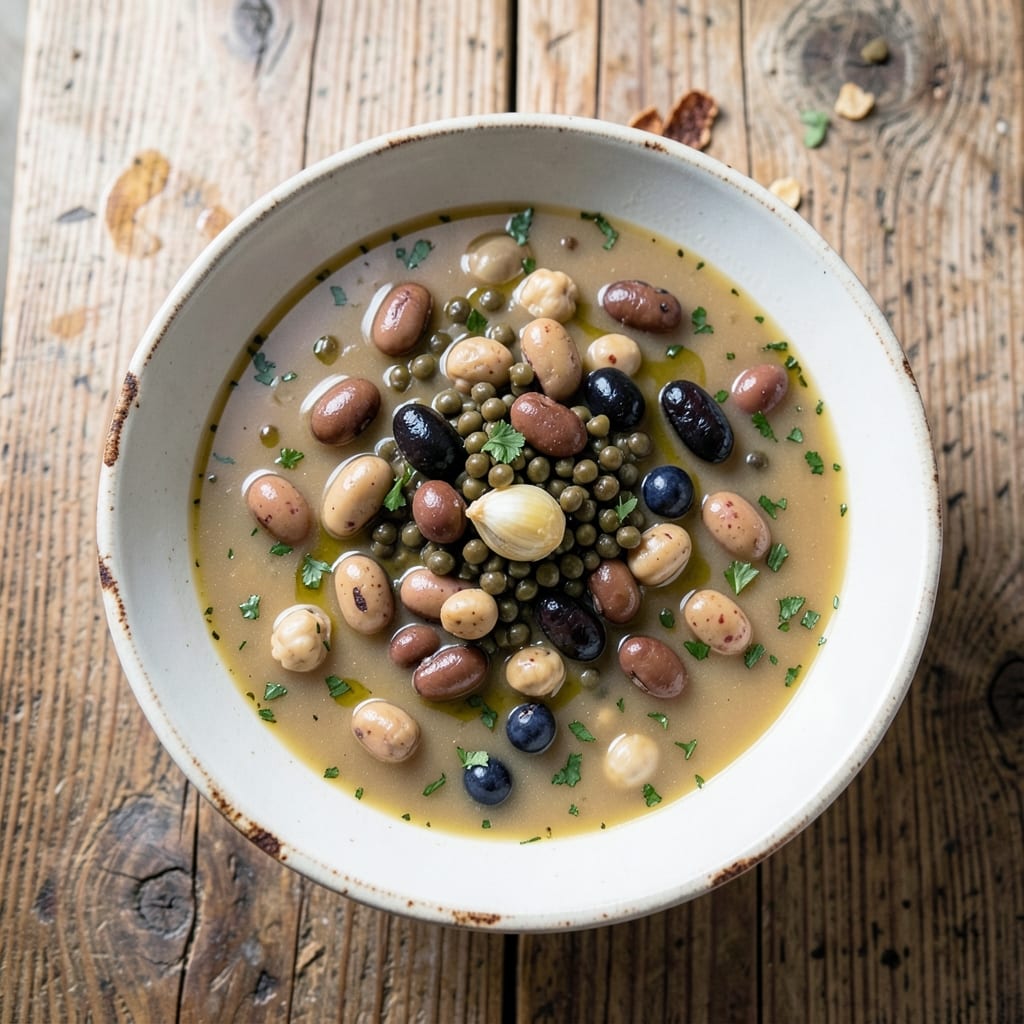
This 15 bean soup recipe transforms humble pantry staples into a hearty, flavorful stew that simmers to perfection on your stove top. The secret lies in layering dried beans with aromatic vegetables and herbs, letting them meld into a rich, savory broth that tastes even better the next day. I've perfected this vegetarian version to deliver deep, satisfying flavor without relying on meat—just simple ingredients and patience.
What sets this recipe apart is its foolproof technique for tender beans and a well-balanced broth. No fancy ingredients required—just a mix of 15 different beans (or your pantry favorites), onions, carrots, celery, and spices that build complexity as they simmer. The key is starting with a flavorful base and letting everything cook low and slow, which transforms tough beans into melt-in-your-mouth texture.
By the time you're done, you'll have a restaurant-quality soup with a rich, earthy depth that pairs beautifully with crusty bread or over rice. The aroma alone will have everyone gathering around the table, and leftovers keep well for days, making this the ultimate make-ahead meal. Whether you're feeding a crowd or prepping for the week, this soup delivers comfort in every spoonful.
For non-vegetarians, adding bacon or ham hocks is a classic variation—simply brown the meat first and use the rendered fat to sauté the vegetables. The broth remains the star, though, with its perfect balance of savory, sweet, and umami notes. Here's how to make it from start to finish on your stove top.
Ingredients for 15 bean soup recipe stove top
Pantry staples that turn into restaurant-quality soup with just time and patience.
| Ingredient | Amount | Notes |
|---|---|---|
| Dried Great Northern Beans 🌱 | 1 cup | Rinsed before soaking |
| Dried Kidney Beans 🌱 | 1 cup | Rinsed before soaking |
| Dried Black Beans 🌱 | 1 cup | Rinsed before soaking |
| Dried Pinto Beans 🌱 | 1 cup | Rinsed before soaking |
| Dried Navy Beans 🌱 | 1 cup | Rinsed before soaking |
| Dried Chickpeas 🌱 | ½ cup | Rinsed before soaking |
| Dried Lentils 🌱 | ½ cup | Green or brown lentils |
| Yellow Onion 🧅 | 1 whole | Diced, medium size |
| Carrots 🥕 | 3 medium | Peeled, chopped into chunks |
| Celery Stalks 🧅 | 3 whole | Chopped, medium size |
| Garlic Cloves 🧄 | 4 cloves | Minced, fresh preferred |
| Vegetable Broth 💧 | 6 cups | Low-sodium preferred |
| Tomato Paste 🍅 | ¼ cup | Squeeze tube or canned |
| Bay Leaves 🍃 | 2 whole | Dried, standard size |
| Dried Thyme 🌿 | 1 tsp | Or 1 tbsp fresh |
| Ground Black Pepper 🌶️ | ½ tsp | Freshly ground preferred |
| Salt 🧂 | 1 ½ tsp | Adjust to taste |
The beans are the heart of this soup, so pick a mix from your pantry—any 15 you have on hand works. I usually grab a bulk bag of assorted dried beans from WinCo or Aldi because they're cheaper and fresher than the individual cans. If you're short on variety, black beans, kidney beans, and lentils make up for it. The key is rinsing them before soaking to remove any dust or debris. No need to soak overnight—just a quick 2-hour soak or use the pressure cooker method for even faster prep. For the vegetables, yellow onions with a little sweetness work best, and carrots should be medium-sized so they don't turn to mush.
No vegetable broth? Water with a bouillon cube gets you close, but the flavor won't be as deep. Fresh thyme is ideal, but dried thyme at one-third the amount works in a pinch. Short on carrots? Sweet potatoes or parsnips add a lovely earthiness. The tomato paste is non-negotiable for that rich, umami depth—Trader Joe's squeeze tubes are perfect for this since you only need a small amount. If you're using canned tomato paste, San Marzano is the gold standard, but any good-quality paste will do. For the garlic, roasting it first adds a sweet, caramelized flavor that takes this soup to the next level.
This soup tastes even better the next day—honestly, that's when it truly shines. Keeps in the fridge for 5-6 days in an airtight container, and freezes beautifully for up to 6 months. I always make a double batch because it's perfect for meal prep. The beans get even more tender after a day in the fridge, and the flavors meld together like a cozy hug. For serving, a sprinkle of fresh parsley or a dollop of vegan sour cream adds a nice finish. The broth reduces slightly, so you might need to add a splash of water if it gets too thick.
Why You'll Love This Recipe
- I’ll be real: I dump those dried beans straight into the pot—no soaking, no fuss. Just add water, simmer, and let them do their magic while I handle the rest of dinner.
- Zero-Meal-Prep Hassle: I’ll be real: I dump those dried beans straight into the pot—no soaking, no fuss. Just add water, simmer, and let them do their magic while I handle the rest of dinner.
- Earthy Depth Bomb: Between us, that mix of kidney and black beans brings a richness you won’t find in one-bean soups. The Great Northerns add that buttery creaminess, and the pinto? It’s the secret to that textured bite that keeps you going back for more.
- Lunchbox Legend: Honestly, this is my go-to for work lunches. I make a big batch on Sunday, and by Wednesday, I’m still pulling jars out of the fridge—tastes just as good cold as it does hot, especially with a sprinkle of cheese and crackers.
Step-by-step instructions for 15 bean soup
Transform simple pantry staples into a hearty, flavorful soup with this straightforward stove-top method.
Soak the Beans Overnight for Maximum Tenderness
Combine all the dried beans - the 1 cup of Great Northern beans, 1 cup of kidney beans, 1 cup of black beans, 1 cup of pinto beans, 1 cup of navy beans, 0.5 cup of chickpeas, and 0.5 cup of lentils - in a large bowl. Cover them with plenty of cold water by about 2 inches, then let them soak overnight (at least 8 hours). This step is crucial because it dramatically reduces cooking time and ensures the beans become fork-tender rather than mushy.
I like to use a colander to drain and rinse the beans thoroughly before soaking to remove any debris. After soaking, give them another quick rinse under cold water before transferring to your pot. This prevents the soup from becoming cloudy during cooking. The beans should be plump and ready to transform into creamy texture when cooked properly.
Sauté the Vegetable Base for Flavor Foundation
In a large pot with a tight-fitting lid, heat 1 tablespoon of olive oil over medium heat. Add the diced 1 whole yellow onion, chopped 3 medium carrots, and chopped 3 whole celery stalks. Cook for 8-10 minutes, stirring occasionally, until the vegetables soften and the onion becomes translucent. This process develops the base flavors that will infuse the entire soup.
Add the minced 4 cloves garlic and cook for another 30 seconds until fragrant. Here's where the magic happens - you'll smell that wonderful aromatic blend that signals your soup is building depth. I always add a pinch of salt at this stage to help draw out moisture from the vegetables, which enhances their natural sweetness. Don't skip this step - it's what transforms simple vegetables into flavorful building blocks.
Build the Soup with Broth and Seasonings
Add the drained beans to the pot along with the 6 cups vegetable broth, 0.25 cup tomato paste, 2 whole bay leaves, 1 tsp dried thyme, 0.5 tsp ground black pepper, and 1.5 tsp salt. Stir everything together to combine. Bring the mixture to a boil over high heat, then immediately reduce the heat to low. The key here is to maintain a gentle simmer - you want bubbles to break the surface occasionally but not vigorously boil.
Cover the pot with its lid and let the soup simmer for 45-60 minutes. This is where patience pays off - the beans will gradually soften and absorb all those wonderful flavors. I like to check the soup after 30 minutes to make sure there's enough liquid. If it looks too thick, add a little water or broth to maintain the proper consistency. The soup should have a rich, aromatic smell that fills your kitchen.
Simmer Until Beans Are Perfectly Tender
Continue simmering for another 30-45 minutes, checking occasionally. The beans are done when they're fork-tender - you should be able to pierce them easily with a fork but they shouldn't fall apart completely. This usually happens around the 90-minute mark, but timing can vary depending on your stove and the age of your beans. The lentils will cook faster than the other beans, so they'll be ready before the larger beans.
Taste the soup and adjust the seasoning if needed. You might want to add more salt or pepper to taste. The tomato paste should have dissolved completely, giving the soup a subtle sweetness that balances the earthy bean flavors. Remove the bay leaves before serving - they've done their job infusing flavor but their tough texture isn't pleasant to eat. Let the soup sit off the heat for 5-10 minutes before serving to allow the flavors to meld completely.
Serve Warm with Complementary Sides
Ladle the soup into bowls and serve immediately. Each spoonful should deliver a perfect balance of creamy beans, tender vegetables, and rich broth. The variety of beans creates different textures - some soft, some slightly firm - that make every bite interesting. I like to serve this soup with crusty bread to soak up the flavorful broth or alongside a simple green salad for a complete meal.
This soup tastes even better the next day as the flavors continue to develop. The beans will absorb more of the broth's flavor, creating an even more complex taste profile. Store any leftovers in an airtight container in the refrigerator for up to 5 days or freeze for up to 3 months. The beauty of this recipe is that it uses simple ingredients but delivers restaurant-quality results with minimal effort.
Pro Tips For Making 15 Bean Soup Recipe Stove Top
- SOAK BEANS SEPARATELY: Great Northerns and Navy beans need a 12-hour soak, while kidney and black beans handle 6 hours just fine. I learned this the hard way—mixing them all together means some beans stay rock-hard while others get mushy. Save time by dividing them into two batches.
- SIMMER LOW AND SLOW: After the initial boil, drop the heat to a gentle simmer—think tiny bubbles, not a rolling boil. I used to rush it, and the beans would split open or taste mealy. This recipe rewards patience: 1.5–2 hours at low heat keeps them tender without falling apart.
- SKIP THE KIDNEY BEAN SOAK: Kidney beans are the only ones you can safely skip soaking if you’re in a hurry. Just rinse them well first, then add them last to the pot. They’ll soften faster than the others, so cook them for only 45–60 minutes instead of the full 2 hours.
- SALT THE POT LATER: Wait until the beans are fully tender before adding salt—adding it early can toughen them up. I was skeptical until I tried it: the texture is noticeably better when salt joins the party in the last 30 minutes of cooking.
Best sauces and condiments for these flavors
Tomato Paste Magic
The ¼ cup tomato paste is the flavor anchor of this soup, adding depth and umami that transforms simple broth into something extraordinary. I always use San Marzano tomato paste because its sweetness and low acidity create a perfect balance with the earthy beans. Spread it directly into the pot after sautéing the vegetables—this ensures it caramelizes slightly and blends seamlessly into the broth. For extra richness, I sometimes stir in 1 teaspoon of brown sugar along with the tomato paste to enhance its sweetness. 🍅
Herb & Spice Boost
Aromatic herbs are what elevate this soup from good to unforgettable. The 2 bay leaves and 1 teaspoon dried thyme infuse the broth with subtle earthy notes, while the ½ teaspoon black pepper adds a gentle warmth. For a brighter finish, I like to stir in 1 tablespoon of fresh parsley just before serving—it cuts through the richness and adds a fresh, vibrant touch. If you're feeling adventurous, a pinch of smoked paprika or cayenne pepper adds a smoky kick that pairs beautifully with the beans.
Umami Enhancers
For an extra layer of savory depth, consider adding 1 tablespoon of soy sauce or 1 teaspoon of Worcestershire sauce (vegetarian version) to the broth while simmering. These ingredients amplify the natural umami in the beans and vegetables, making every spoonful more satisfying. Another trick I use is adding ½ cup of diced mushrooms (like cremini or shiitake) when sautéing the vegetables—they absorb the flavors and add a meaty texture. The key is to add these enhancers gradually and taste as you go. 🌟
Acid Balance
A touch of acidity brightens the soup and balances its richness. I often stir in 1 tablespoon of apple cider vinegar or 1 teaspoon of lemon juice during the last 10 minutes of simmering. This not only enhances the flavors but also helps tenderize the beans slightly. For a tangier finish, a splash of hot sauce or a sprinkle of red pepper flakes adds a spicy contrast that keeps the soup exciting. The acidity also helps prevent the broth from tasting flat, especially if you're using a low-sodium broth.
Topping Ideas
Finish your soup with toppings that add texture and visual appeal. A dollop of vegan sour cream or Greek yogurt adds creaminess, while toasted breadcrumbs or crumbled feta (for non-vegetarians) bring a satisfying crunch. Fresh herbs like cilantro or dill add a bright, fresh contrast to the hearty beans. For a smoky touch, a drizzle of hot honey or a sprinkle of smoked sea salt takes the soup to the next level. These toppings let everyone customize their bowl to their taste. 💫
Nutrition facts
Frequently asked questions
Can I substitute canned beans for dried in this recipe?
Yes, but you'll need to adjust the cooking time. Use 2 (15-ounce) cans of each bean type (or 3 cups total mixed canned beans) instead of dried. Drain and rinse them well before adding to the pot. Since canned beans are pre-cooked, they'll only need 20-30 minutes of simmering to absorb the flavors. The texture will be slightly softer than dried beans.
Why does my 15 bean soup taste bland?
Most likely, the broth needs more depth. Try adding 1 tablespoon soy sauce or 1 teaspoon Worcestershire sauce (vegetarian version) during the last 15 minutes of cooking. For umami richness, stir in ½ cup diced mushrooms when sautéing the vegetables. A splash of apple cider vinegar (1 tablespoon) brightens flavors too. Taste as you go and adjust seasoning gradually.
How can I make this soup faster without a pressure cooker?
Skip the overnight soak and use the quick-soak method: Boil the beans for 2 minutes, then let them sit off heat covered for 1 hour before draining. This reduces soaking time to 1 hour total. For even faster results, use a Dutch oven which retains heat better. The total cooking time will be 2-3 hours instead of 3-4 hours with overnight soaking.
What's the best way to reheat leftover 15 bean soup?
Gently reheat on the stove over low-medium heat until warmed through (5-7 minutes). Never microwave directly as it can make the beans mushy. For best texture, add ¼ cup water or broth while reheating. If the soup seems too thick, thin it with a splash of water or broth. The flavors actually improve after reheating as everything melds together.
Can I make this soup in a slow cooker instead?
Use the same ingredients but combine everything (except fresh herbs) in your slow cooker. Cook on low for 6-8 hours or high for 3-4 hours. The beans will be even more tender. Add fresh herbs at the end. The slow cooker's gentle heat makes this the perfect hands-off meal prep option. Just stir occasionally to prevent sticking.