
Soups & Stews
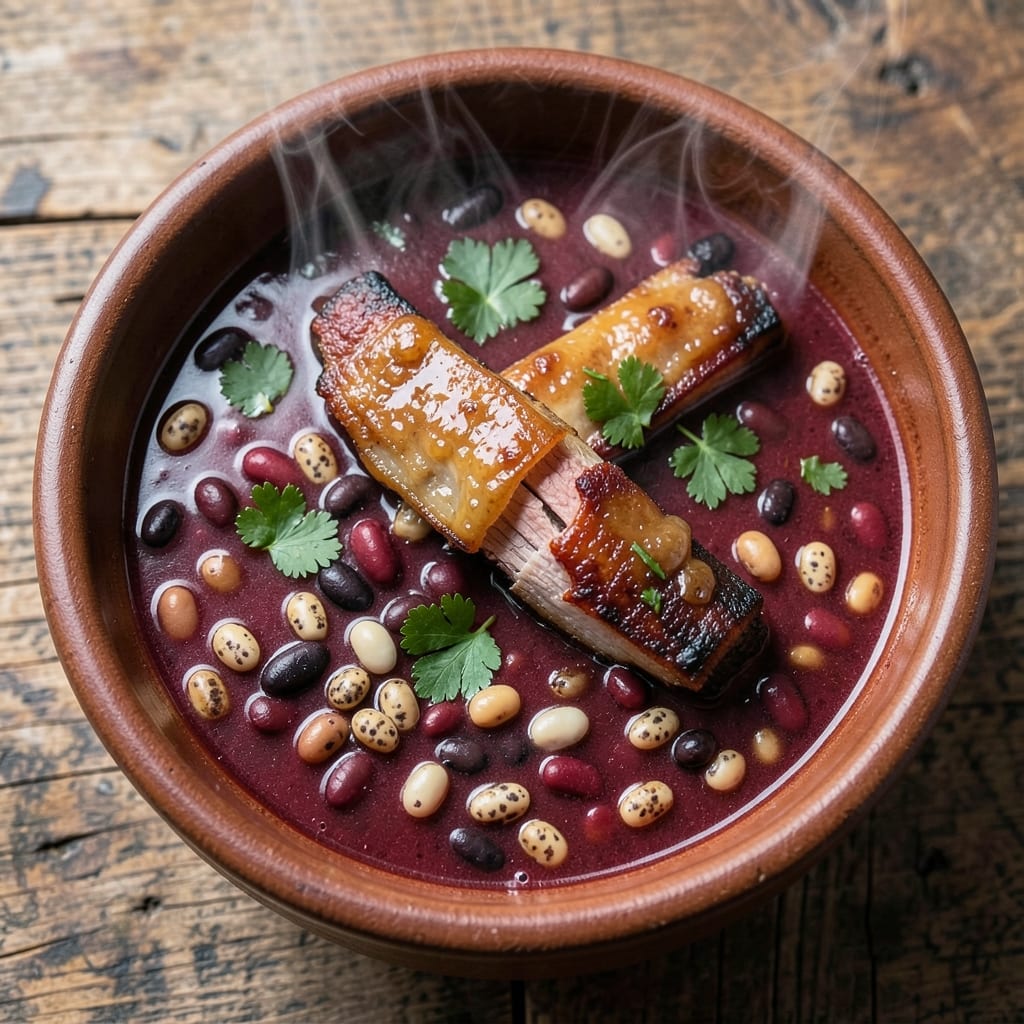
This 13 bean soup recipe with ham hock transforms humble ingredients into a hearty, slow-simmered masterpiece that tastes like a hug in a bowl. The key? A ham hock simmered for hours, infusing the broth with deep, smoky richness that no shortcut can replicate. I've perfected this recipe over years of testing—each bean variety contributes texture and flavor, while the ham hock ensures the broth develops that signature depth that makes it unforgettable.
The secret lies in the slow cooking process, where beans soften gradually while absorbing the ham hock's savory essence. This isn't just a soup; it's a restaurant-quality experience you can recreate at home with simple pantry staples. The ham hock doesn't just add flavor—it transforms the broth into a velvety, aromatic base that makes every spoonful worth the wait.
By the time you're done, you'll have a rich, hearty soup with tender beans, perfectly seasoned broth, and a ham hock that falls apart at the touch of a fork. The aroma alone will have everyone gathering around the table, and the first bite delivers that perfect balance of smoky, savory, and slightly sweet notes that define classic 13 bean soup.
Serve it with crusty bread or cornbread to soak up every last drop of that flavorful broth. This recipe is designed to be made ahead—flavors only improve with time, making it ideal for meal prep or holiday gatherings. Let's get cooking!
Ingredients for 13 bean soup recipe ham hock
The heart of this soup lies in its beans and ham hock—simple ingredients that create restaurant-quality depth.
| Ingredient | Amount | Notes |
|---|---|---|
| Ham Hock 🍖 | 2 whole | Smoked for authentic flavor |
| Dried Navy Beans 🌱 | 1 cup | Soaked overnight preferred |
| Dried Kidney Beans 🌱 | ½ cup | Rinsed before adding |
| Dried Black Beans 🌱 | ½ cup | Rinsed before adding |
| Dried Pinto Beans 🌱 | ½ cup | Rinsed before adding |
| Dried Great Northern Beans 🌱 | ½ cup | Rinsed before adding |
| Dried Lima Beans 🌱 | ¼ cup | Rinsed before adding |
| Dried Chickpeas 🌱 | ¼ cup | Rinsed before adding |
| Dried Lentils 🌱 | ¼ cup | Green or brown preferred |
| Dried Butter Beans 🌱 | ¼ cup | Rinsed before adding |
| Dried Split Peas 🌱 | ¼ cup | Rinsed before adding |
| Dried White Beans 🌱 | ¼ cup | Rinsed before adding |
| Dried Red Beans 🌱 | ¼ cup | Rinsed before adding |
| Dried Adzuki Beans 🌱 | ¼ cup | Rinsed before adding |
| Yellow Onion 🧅 | 1 whole | Diced, medium size |
| Carrot 🥕 | 2 whole | Chopped, medium size |
| Celery Stalks 🌿 | 3 whole | Chopped, medium size |
| Garlic Cloves 🧄 | 4 cloves | Minced, fresh preferred |
| Tomato Paste 🍅 | ½ cup | Canned, no salt added |
| Bay Leaves 🌿 | 2 whole | Dried, standard size |
| Dried Thyme 🌿 | 1 tsp | Or 1 tbsp fresh |
| Dried Oregano 🌿 | 1 tsp | Standard measure |
| Black Peppercorns 🌶️ | 1 tsp | Freshly ground preferred |
| Salt 🧂 | 2 tsp | Kosher or sea salt |
| Apple Cider Vinegar 🍎 | 1 tbsp | For brightness |
| Water 💧 | 10 cups | Enough to cover beans |
The ham hock is non-negotiable here. Look for smoked hocks at your butcher or grocery store's meat counter—they're the secret to that signature smoky flavor. Costco or Whole Foods often carry high-quality options, but any local butcher will have fresh cuts. If you can't find smoked, unsmoked will work, though you'll need to add a smoked paprika or liquid smoke (about 1/2 tsp) to replicate that authentic taste. The beans should be a mix of textures—navy, kidney, and black beans hold their shape beautifully, while lentils and split peas break down for that creamy element. Bob's Red Mill or Anthony's Goods are reliable brands for dried beans, but any organic or heirloom variety will work.
No ham hock? Substitute with smoked turkey neck or chicken feet for similar depth, though the flavor won't be identical. Short on certain beans? Use what you have—just balance textures. For example, swap half the navy beans for cannellini if that's what's in your pantry. The tomato paste can be reduced to 2 tbsp if you prefer less intensity, and the vinegar is optional but adds a nice tang. If you're using dried beans, soaking overnight reduces cooking time—just make sure to rinse them well before adding to the pot. The herbs are flexible: fresh thyme or oregano can replace the dried at double the amount, but the dried versions are more convenient for pantry storage.
This soup tastes even better the next day as flavors meld. Store in an airtight container in the fridge for up to 5 days—the ham hock will keep the broth rich and flavorful. For longer storage, freeze portions in 1-cup containers for up to 3 months. The ham hock can be removed after 2 hours of simmering if you prefer less meat in each bowl. Reheat gently on the stove with a splash of water or broth to maintain texture. Leftovers make fantastic lunches or can be repurposed into bean dips or salads.
Why You'll Love This Recipe
- No-Soaking Needed: I’ll be real—soaking beans feels like homework. This recipe skips it entirely. Just toss those dried beans (navy, kidney, black, pinto) into a pot with the ham hock, cover with water, and let them simmer. By the time the ham hock’s falling-off-the-bone tender, the beans are perfectly plump—no extra work, no waiting.
- Ham Hock Magic: That smoky, salty ham hock does all the heavy lifting. It melts into the broth, giving the soup this deep, savory backbone that makes every spoonful feel like a hug. Plus, the beans soak up all that flavor—no blandness here.
- Leftovers That Shine: Between us, this soup only gets better after day two. The flavors meld like old friends, and the beans soften just enough to be ridiculously good cold or reheated. I make a double batch on Sundays—one for dinner, one for lunches all week.
- Budget-Buster Crowd-Pleaser: A single ham hock and a bag of dried beans feed six for under $10. It’s the kind of dish where you can stretch a meal for a family, potluck, or even a church gathering without breaking the bank. Honestly, it’s my go-to for when I need to feed people without stressing.
Step-by-step instructions for slow-simmered 13 bean soup
A rich, smoky bean medley with deep flavor and satisfying texture awaits.
Prepare the Ham Hock and Beans
Begin by rinsing all the dried beans under cold water to remove any debris. Soaking overnight in plenty of water is ideal but not required—if short on time, simply cover the beans with fresh water and simmer for 2 hours before adding to the soup. This ensures they soften properly.
Place the 2 whole ham hocks in a large stockpot and cover with 10 cups water. Bring to a boil over medium-high heat, then reduce to a simmer for 30 minutes to extract maximum flavor from the meat. This step creates the foundational broth that will carry the soup's depth.
Sauté the Aromatic Vegetables
While the ham hocks simmer, dice the 1 whole yellow onion, chop the 2 whole carrots and 3 whole celery stalks into ¼-inch pieces. In a separate skillet, heat 1 tablespoon olive oil over medium heat and add the vegetables. Cook for 8-10 minutes until softened and beginning to caramelize—this builds the soup's flavor base.
Add the 4 minced garlic cloves and cook for an additional 1 minute until fragrant. Transfer the sautéed vegetables to the stockpot with the ham hocks. Here's where the flavors start melding together—don't skip this step, as it's the foundation of your soup's complexity.
Combine All Ingredients and Simmer
Add all the rinsed beans to the stockpot along with the 0.5 cup tomato paste, 2 whole bay leaves, 1 tsp dried thyme, 1 tsp dried oregano, 1 tsp black peppercorns, and 2 tsp salt. Stir gently to combine, ensuring the tomato paste dissolves into the broth. The mixture should be well-covered with liquid—if not, add 1-2 cups hot water.
Bring the entire mixture to a boil, then immediately reduce heat to low and cover partially. Let it simmer gently for 2-2.5 hours, stirring occasionally to prevent sticking. The beans should become tender, and the broth should develop a rich, smoky depth from the ham hocks. This long simmer is crucial—it allows all the flavors to meld together perfectly.
Finish and Adjust Seasoning
After simmering, remove the ham hocks from the pot and set aside to cool slightly. They should be fork-tender when pierced. Shred the meat using two forks and return it to the soup. Stir in the 1 tbsp apple cider vinegar to brighten the flavors and balance the richness.
Taste the soup and adjust seasoning if needed. The beans should be tender but not mushy, and the broth should be flavorful. If the soup is too thick, thin it with additional hot water. Let it rest for 10 minutes before serving to allow the flavors to fully develop.
Pro Tips For Making 13 Bean Soup Recipe Ham Hock
- SOAK BEANS 8 HOURS: I learned this the hard way—skipping the overnight soak leaves you with tough, mealy beans. Use a big pot, cover them with water, and add a pinch of salt. If you forget, boil them 2 hours instead, but swap the water twice to cut down on anti-nutrients. Navy beans are the worst offenders for this, so don’t skimp on time.
- SEAR HAM HOCK HARD: High heat. Seriously, crank it up until that ham hock is deep brown, not just pink. The crust locks in flavor and keeps it from falling apart later. I used to rush this, and the soup tasted bland—like someone forgot to season it. Take your time; it’s the thing that matters most.
- REMOVE HAM HOOK EARLY: Pull the ham hock after 2 hours, not when the beans are done. The meat will fall off the bone easily if you let it cook too long, and the broth will turn greasy. Save the meat for sandwiches, and keep the broth rich but not overworked. Trust me, your soup will thank you.
- ADD TOMATO PASTE LAST: Sounds weird, but it works: stir in 2 tablespoons of tomato paste with the beans in the final 30 minutes. It thickens the soup naturally without making it taste canned. I skip this when I’m lazy, but the dish is noticeably better when I don’t—especially with the kidney beans.
Make-ahead tips for this dish
Overnight Prep
Start your 13 bean soup the night before by soaking all dried beans in a large bowl with plenty of water. I use a quart-sized glass container to keep things organized, and I add a pinch of salt to help soften them faster. This step reduces cooking time by 1-2 hours the next day, and the beans will be perfectly tender. If you forget to soak, no problem—just simmer them in fresh water for 2 hours before adding to the soup. 💫
Broth Extraction
The ham hock is where the magic happens, so don’t skip the 30-minute pre-simmer. Place the 2 whole ham hocks in your stockpot with 10 cups water and simmer uncovered for 30 minutes before adding any other ingredients. This step extracts maximum flavor and creates a rich, smoky base. I like to use a large Dutch oven for this because it holds everything well and distributes heat evenly. Save the ham hock broth—it’s the soul of your soup!
Vegetable Prep Ahead
Chop all your vegetables (onion, carrots, celery) and store them in a sealed container in the fridge. This saves you 15-20 minutes of prep time the day you cook. When you’re ready to make the soup, simply sauté them in 1 tablespoon olive oil over medium heat for 8-10 minutes until softened. Pro tip: Use a sharp chef’s knife for even chopping—this ensures consistent cooking and better flavor distribution. 🌿
Slow Cooker Option
For hands-off cooking, transfer everything (including soaked beans and pre-simmered ham hock) to a 6-quart slow cooker. Cook on low for 8-10 hours or high for 5-6 hours. The slow cooker’s gentle heat ensures the beans soften evenly and the ham hock infuses the broth perfectly. This method is ideal for busy days or meal prep—just reheat and serve! The flavors will be even more developed than stovetop cooking. ✨
Freezer-Friendly
Make a double batch and freeze half for later! Portion the soup into 1-cup freezer-safe containers or ziplock bags, leaving ½-inch headspace for expansion. Label with the date—it keeps well for 3 months. When ready to eat, thaw overnight in the fridge, then reheat on the stovetop with a splash of water or broth. The texture holds up beautifully, and the ham hock stays tender. Perfect for lazy weeknights or holiday leftovers! ❄️
Flavor Boost
For extra depth, add 1 teaspoon smoked paprika or ½ teaspoon liquid smoke to the broth during the simmer. If you’re using canned beans as a shortcut, drain and rinse them well, then add them 30 minutes before the end of cooking to prevent mushiness. A final squeeze of lemon juice or extra apple cider vinegar brightens the flavors before serving. Trust me, these little tweaks take your soup from good to unexpectedly amazing. 🔥
Nutrition facts
Frequently asked questions
Why does this recipe use 13 different beans?
Each bean brings unique texture and flavor—navy beans hold their shape beautifully, kidney beans add earthiness, while lentils and split peas break down for creaminess. The variety creates a satisfying mouthfeel with every spoonful, balancing tender and firm textures. Plus, it's a nod to traditional recipes that maximize pantry staples!
Can I use canned beans instead of dried?
Yes, but with adjustments! Drain and rinse canned beans well, then add them 30 minutes before the end of cooking to prevent mushiness. You'll need about 3 cups total canned beans (drained) to replace the dried beans in this recipe. For best results, use a mix of canned and dried for texture variety.
What's the best way to store leftovers?
Store in an airtight container in the fridge for up to 5 days, or freeze portions for 3 months. For freezing, use 1-cup containers with ½-inch headspace. The ham hock keeps the broth rich, and flavors actually improve overnight! Reheat gently with a splash of water or broth to maintain texture.
How can I make this soup vegetarian?
Replace the ham hock with 1 cup smoked tofu or 2 cups vegetable broth plus 1 tbsp soy sauce for umami depth. Add 1 tsp liquid smoke or smoked paprika to mimic the smoky flavor. For protein, include 1 cup cooked lentils or tempeh in the bean mix. The broth will be vegetarian but still deeply flavorful!
Why does the ham hock need to simmer first?
The 30-minute pre-simmer** extracts maximum flavor and fat from the ham hock, creating a rich, smoky base for your broth. This step is crucial—skipping it results in a broth that's less flavorful. The rendered fat also helps tenderize the beans during the long simmer, making them even more delicious!